
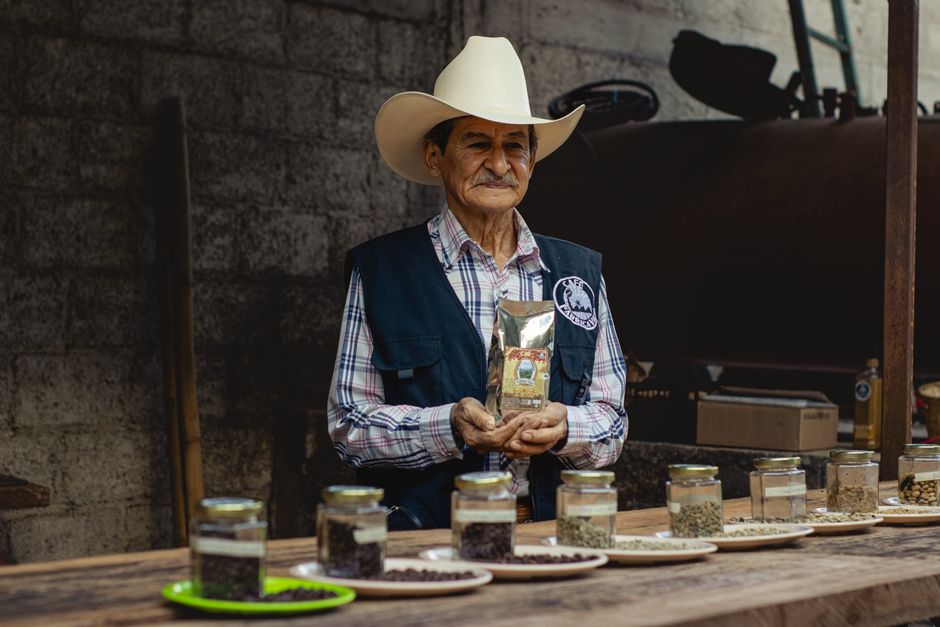
When you choose a bag of coffee with a fair trade certification label, you are making a decision that reaches far beyond your morning cup. Fair trade coffee sustainability connects consumer choices to the well-being of farming communities, environmental stewardship, and economic fairness. This article explains how fair trade certification supports sustainable farming and strengthens the livelihoods of coffee growers around the world, with a special focus on the Asia Pacific region, which produces about 25 percent of the world's total coffee.
What Makes Coffee Fair Trade Certified
Fair trade coffee is certified by independent organizations to meet strict social, economic, and environmental standards. These standards require safe working conditions and prohibit forced labor and child labor. Farmers and workers on certified farms are protected by internationally recognized labor rights. The certification also ensures that coffee cooperatives are democratically run, giving growers a voice in how their business operates. For shoppers, the fair trade label provides a reliable way to support ethical production and avoid products linked to exploitation.
Financial Protections: Minimum Price and Premium
Two key financial mechanisms make fair trade distinct from conventional coffee buying. The Fairtrade Minimum Price is a floor price that protects farmers when market prices fall. If the global coffee price drops, farmers still receive at least this minimum amount, which covers the cost of sustainable production. On top of the selling price, buyers pay an extra sum called the Fairtrade Premium. This premium goes into a fund that the farming cooperative decides how to use. Common projects include building schools, improving healthcare, upgrading processing equipment, and investing in organic certification. Because the premium is collective, it strengthens the entire community rather than benefiting only individual producers.
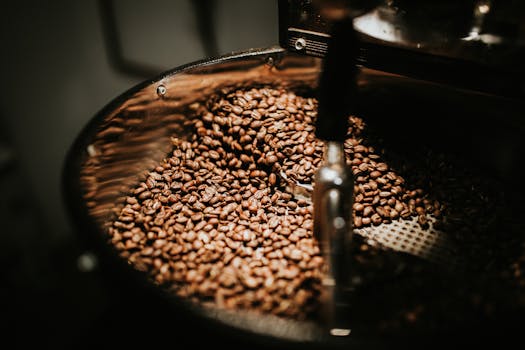
Environmental Sustainability in Fair Trade Coffee Farming
Sustainable coffee farming integrates social justice with environmental health. Conventional coffee farming often leads to soil erosion, water pollution, and deforestation, especially when grown in full sun with heavy chemical inputs. Fair trade certification encourages practices that protect ecosystems. Farmers are trained in agroforestry, which means growing coffee under a canopy of native trees. This method preserves biodiversity, prevents erosion, and provides natural pest control. Water conservation techniques reduce runoff, and organic farming methods eliminate synthetic pesticides and fertilizers. In 2022, 74 percent of the fair trade coffee sold in the Asia Pacific region was also certified organic, showing a strong overlap between the two approaches.
Sustainable coffee farming practices include:
Agroforestry and shade-grown cultivation
Organic farming without synthetic chemicals
Water conservation and efficient irrigation
Fair trade certification as a framework for continuous improvement
These methods contrast with the environmental damage associated with conventional coffee production, where clear-cutting and chemical use can degrade land over time.
The Scale of Fair Trade Coffee in the Asia Pacific Region
The Asia Pacific region plays a major role in global coffee production, contributing approximately 25 percent of the world total. By 2022, around 30 percent of the coffee produced there was certified as sustainable. Between 2019 and 2022, over 200,000 metric tons of arabica and robusta coffee were produced in the region, with Indonesia contributing nearly half of that volume. In 2022 alone, more than 16,000 metric tons of coffee were sold under Fairtrade terms. Of that amount, 74 percent was sold as organic. The region also had nearly 43,000 Fairtrade certified farmers as of 2022. These numbers show that fair trade is not a niche effort; it is a growing movement that reaches tens of thousands of farming families.
Consumer Demand for Sustainable Coffee
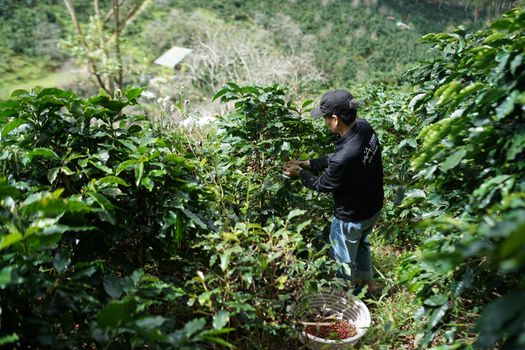
People are paying more attention to where their food comes from. According to a 2021 study by the Specialty Coffee Association, nearly 60 percent of consumers consider sustainability when choosing which coffee companies to support. This shift in buyer behavior has encouraged roasters and retailers to prioritize certified sourcing. Alongside fair trade, other certifications such as Organic and Rainforest Alliance also help consumers identify responsible products. While each label has its own focus, fair trade stands out for its emphasis on economic fairness and community development through the Premium fund. For shoppers who want to support farmers directly, fair trade offers a clear and measurable impact.
How Fair Trade Compares to Other Sustainability Certifications
Consumers shopping for ethical coffee will encounter multiple labels. Fair trade focuses on fair wages, safe working conditions, and democratic cooperatives. Organic certification ensures no synthetic chemicals were used. Rainforest Alliance certification emphasizes biodiversity, wildlife habitat, and sustainable land management. These certifications often overlap; many fair trade cooperatives also pursue organic certification because it commands higher prices and aligns with sustainable values. The best choice depends on what matters most to you. If your priority is farmer livelihoods and community investment, fair trade is the most direct option. If you also want to avoid pesticides, look for coffee that carries both fair trade and organic labels.
The Connection Between Fair Trade and Ethical Commerce
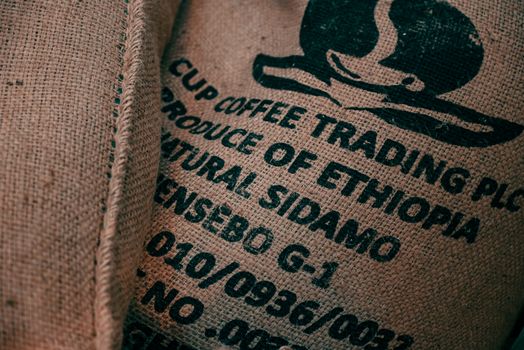
Choosing fair trade coffee can be one practical way to reduce vulnerability to exploitation by supporting more stable incomes, safer working conditions, and stronger farming communities. When farmers receive fair compensation and communities have funds for education and infrastructure, families are less vulnerable to exploitation. Organizations that sell fair trade goods, including online marketplaces, often share stories of the artisans and growers behind the products. These stories remind shoppers that every purchase has a human impact. By supporting fair trade, you help create an economic system where people are treated with dignity and the environment is respected.
Frequently Asked Questions
Is all fair trade coffee organic?
No. While many fair trade producers also pursue organic certification, the two are separate. In the Asia Pacific region in 2022, 74 percent of fair trade coffee sold was also organic. Shoppers who want both should look for coffee that carries both the fair trade and organic labels.
How does fair trade coffee help farmers earn more?
Fair trade guarantees a minimum price that covers the cost of sustainable production, protecting farmers when market prices drop. Buyers also pay an additional Fairtrade Premium that farmers and cooperatives decide how to invest. This extra money funds community projects like schools, healthcare, and farm improvements.
What is the Fairtrade Minimum Price?
The Fairtrade Minimum Price is a floor price set by Fairtrade International that coffee buyers must pay, even if the global market price falls below that level. This ensures farmers can cover their production costs and avoid selling at a loss. The exact amount varies by coffee type and origin, and it is reviewed periodically.
Does fair trade certification protect the environment?
Yes. Fair trade standards encourage sustainable practices such as agroforestry, organic farming, water conservation, and reduced chemical use. While fair trade is primarily a social and economic certification, its requirements promote environmental stewardship. Many certified cooperatives also pursue organic certification to further reduce environmental harm.
How can I be sure the coffee I buy is truly fair trade?
Look for the official fair trade certification label from recognized organizations such as Fair Trade USA or Fairtrade International. These labels ensure independent auditing of the supply chain. Buying from reputable roasters and retailers who publish their sourcing policies also helps confirm the coffee meets fair trade standards.
Fair trade coffee sustainability is about more than a label. It is a system that protects farmers, builds stronger communities, and cares for the land. By choosing fair trade certified coffee, you support a model of agriculture that values people and the planet equally. Next time you shop for beans, look for the fair trade mark and know that your purchase helps create a more just and sustainable world.