
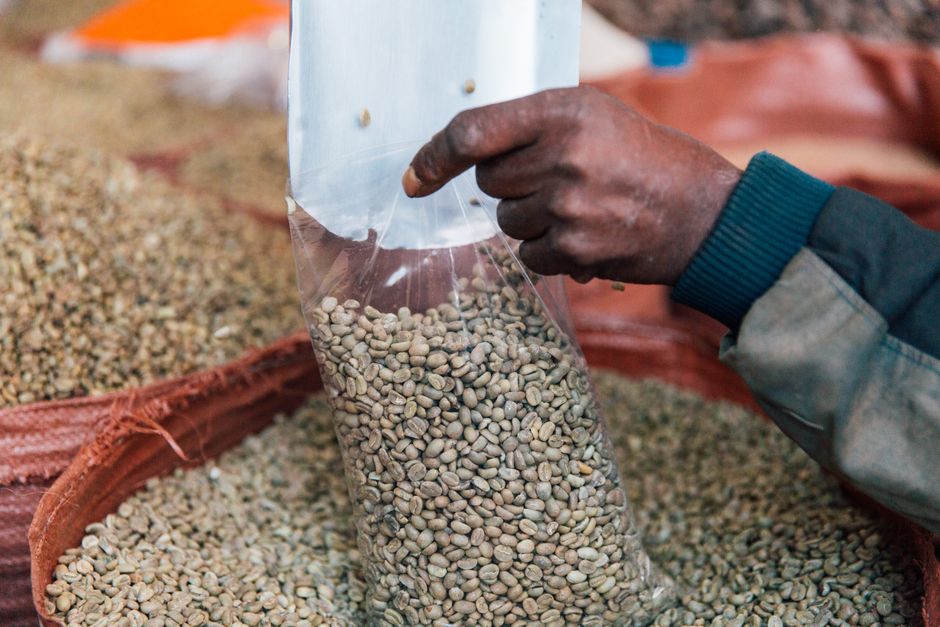
Every cup of coffee carries a story. For millions of people around the world, that story begins on a plantation where workers pick beans under conditions that are often invisible to consumers. Coffee plantations are one of the top industries for labor trafficking, with an estimated 26 million people working on coffee farms each year. Men, women, and children labor in countries along the equator, and their work passes through supply chains that can hide exploitation. Fair trade coffee offers a way to change that story by ensuring that the people who grow your coffee are treated fairly, paid fairly, and protected from forced labor.
The Link Between Coffee and Human Trafficking
Human trafficking has no place in coffee, yet it remains a hidden reality in the industry. A 2021 ADERE report exposed widespread forced labor in the coffee regions of southern Minas Gerais, one of the largest coffee-producing areas in the world. This is not an isolated case. Coffee plantations are consistently cited as one of the top industries for labor trafficking, where workers can be trapped in debt bondage or coerced into working without pay. The complexity of global coffee supply chains makes it easy for exploitation to go unnoticed. Beans change hands multiple times before reaching your cup, and without strong oversight, traffickers can operate with impunity.
How Trafficking Occurs in Coffee Supply Chains
Workers on conventional coffee farms often face long hours, unsafe conditions, and wages that barely cover basic needs. Forced or child labor is strictly prohibited under fair trade standards, but in non-certified farms, these practices can remain unchecked. Many small-scale farmers live in remote locations and earn little for their crops, which creates an environment where middlemen or plantation owners can exploit vulnerable workers. Traffickers may promise steady work and a better life, only to trap workers in a cycle of debt and control.
How Fair Trade Coffee Directly Combats Exploitation
Fair trade is a network of producers, sellers, and organizations working together to bring about positive change in the lives of everyday people. Workers in fair trade certified farms and businesses labor under safe working conditions, for reasonable hours, and at a living wage. Forced or child labor is strictly prohibited. Workers are treated fairly and paid fairly. Fair trade organizations require documentation and audit businesses to ensure compliance with these standards.
When you buy fair trade coffee, you refuse to drink coffee made with slave labor. The Fair Trade Certified label guarantees consumers that strict economic, social, and environmental criteria were met in the production and trade of an agricultural product. This certification is not just a sticker. It represents a commitment to transparency and accountability that helps break the cycle of exploitation.
Living Wages Break the Poverty Cycle
Poverty is a root cause of human trafficking. When adults are paid a living wage, children do not have to work to help support their families. Instead, they can attend schools supported by fair trade wages. Fair trade coffee ensures that farmers and workers earn enough to meet their basic needs, invest in their communities, and build a future free from economic desperation. This shift reduces the vulnerability that traffickers exploit.
Audits and Documentation Ensure Accountability
Fair trade organizations do more than set prices. They require documentation and conduct regular audits of farms and businesses to verify that labor standards are being met. This oversight is critical in an industry where supply chains often span continents. By holding producers accountable, fair trade creates a system where exploitation is harder to hide and easier to address when it does occur.
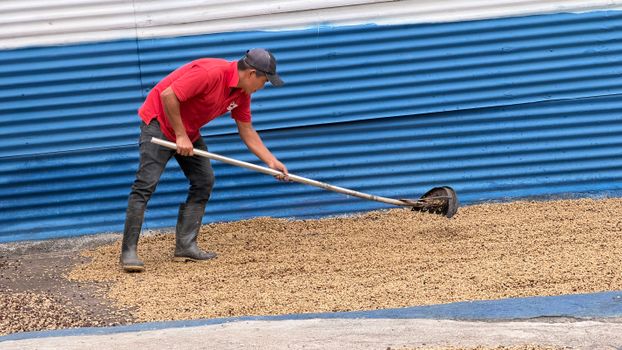
What Fair Trade Coffee Means for Farmers and Communities
Fair trade products are slave-free, child-labor-free, and exploitation-free. Adults are paid a living wage, so children do not have to work to help support the family, and can instead attend schools supported by the fair trade wages. This has ripple effects that extend far beyond the farm. When children are educated, they have more opportunities and are less likely to be trapped in poverty or exploited as adults.
Building Resilient Communities
Fair trade coffee cooperatives often reinvest premiums into community projects such as schools, healthcare clinics, and clean water systems. These investments strengthen the social fabric and reduce the conditions that make human trafficking possible. Communities that have access to education and healthcare are better equipped to resist the false promises of traffickers.
Empowering Small-Scale Farmers
Most small-scale farmers live in remote locations and earn little for their crops under conventional trade models. Fair trade changes this dynamic by offering stable prices and long-term relationships. Farmers can plan for the future, invest in sustainable practices, and gain a voice in the global market. This empowerment is a direct counter to the power imbalances that traffickers exploit.
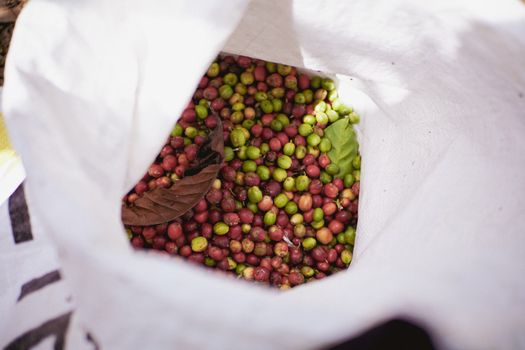
Taking Action Through Your Coffee Choice
Every purchase is a vote for the kind of world you want to live in. An easy way to combat human trafficking is switching your brew to fair trade coffee. Coffee, soap, tea, wine, and cotton are just a few of the multitude of items we love and rely on, so ensuring we pay the fair price makes a difference. By choosing fair trade and organic coffee, you actively participate in the fight against human trafficking, ensuring that no one else has to endure the life of forced labor.
Supporting Organizations That Fight Trafficking
Some fair trade coffee brands go even further. Thrivers Coffee, for example, is ethically sourced, fair trade coffee that funds breakthrough technology and training for law enforcement to assist victims of human trafficking and bring their traffickers to justice. They partner directly with DeliverFund, an organization that trains officers and provides tools to combat trafficking. Every sip supports the fight to end human trafficking. This model shows how the simple act of buying coffee can become a powerful tool for justice.
Limitations and Ongoing Challenges
Fair trade coffee is a powerful tool, but it is not a complete solution on its own. Fairtrade programs alone simply are not equipped to identify, let alone systemically change, trafficking and labor exploitation in the entire coffee industry. While fair trade is a good idea in theory, this approach to combating forced labor and labor rights violations must be part of a broader effort that includes government enforcement, consumer education, and support for survivor-led solutions. Solutions to combat human trafficking and serve victims are most effective when designed and informed by those who have survived it.
The fight against human trafficking requires vigilance at every level. Certification helps, but consumers should also seek out brands that are transparent about their supply chains and support anti-trafficking organizations directly. No label can guarantee perfection, but fair trade remains one of the most accessible and effective ways for everyday people to make a difference.

Frequently Asked Questions
Is fair trade coffee ethical?
Fair trade coffee is designed to be ethical by requiring safe working conditions, reasonable hours, and a living wage for workers. Forced labor and child labor are strictly prohibited, and businesses must undergo audits to ensure compliance. While no system is perfect, fair trade offers a strong framework for reducing exploitation.
Does fair trade coffee actually help prevent human trafficking?
Yes, fair trade coffee helps prevent human trafficking by addressing root causes like poverty and lack of oversight. Fair wages reduce economic desperation, and audits create accountability in supply chains. However, fair trade is most effective when combined with broader anti-trafficking efforts and consumer awareness.
How can I be sure my coffee is truly fair trade?
Look for the Fair Trade Certified label on the packaging. This label guarantees that the product meets strict economic, social, and environmental criteria. You can also research brands that openly share their supply chain information and partner with anti-trafficking organizations.
What are the main limitations of fair trade certification?
Fair trade programs are not designed to identify or address all instances of trafficking and labor exploitation across the entire industry. Certification requires audits, but the complexity of global supply chains can still allow exploitation to go undetected. Continued improvement and consumer vigilance are necessary.
Does buying fair trade coffee really make a difference?
Yes, every purchase matters. By choosing fair trade coffee, you support living wages, safe working conditions, and community investments. You also send a clear message that exploitation has no place in the coffee industry. Combined with broader advocacy, individual choices add up to significant change.